Step by step packing plan for a three bedroom UK house move
Moving out of a three bedroom house can feel like the whole place is quietly multiplying behind your back. One minute you are looking at a few cupboards; the next you are staring at boxes, half-folded laundry, cable drawers, a garage shelf you forgot existed, and a kettle you suddenly need right now. A step by step packing plan for a three bedroom UK house move takes that chaos and turns it into something manageable, even calm. Not perfect. Just properly organised.
This guide walks you through the packing process in the order that actually works in real homes: what to pack first, what to leave until the end, how to label without creating a mystery puzzle for moving day, and where people usually go wrong. You will also find a practical checklist, a comparison of packing methods, and a few grounded tips from the sort of moving day moments that always seem to happen in Britain, like rain starting the second the van door opens. Typical, really.
If you want the move to feel less like firefighting and more like steady progress, this is the plan to follow.
Table of Contents
- Why a step by step packing plan matters
- How the packing plan works
- Key benefits and practical advantages
- Who this is for and when it makes sense
- Step-by-step guidance
- Expert tips for better results
- Common mistakes to avoid
- Tools, resources and recommendations
- Law, compliance, standards, or best practice
- Options, methods, or comparison table
- Case study or real-world example
- Practical checklist
- Conclusion
- Frequently asked questions
Why Step by step packing plan for a three bedroom UK house move Matters
A three bedroom home usually holds far more than people expect. There is the visible stuff: beds, wardrobes, sofas, lamps, kitchenware. Then there is the hidden load: seasonal clothes, paperwork, toys, spare bedding, tools, decorations, chargers, cleaning products, and the little items everyone swears they will deal with later. Later is exactly how packing becomes frantic.
A good packing plan matters because moving is not just about moving objects. It is about protecting time, avoiding breakages, keeping family life running, and reducing the stress that tends to creep in during the final week. A structured plan helps you pack room by room, keep important items accessible, and make sure the move is ready for the vehicle size and labour you have arranged. That matters whether you are using a full removals team or a smaller service such as a man and van for part of the job.
In our experience, the people who pack "a bit here and there" almost always end up with two problems: boxes that are impossible to identify and one room that still looks untouched on the night before moving day. The plan is the difference between that and a move that feels under control.
Expert takeaway: For a three bedroom house, packing is usually best treated as a project, not a last-minute chore. Start with low-use items first, leave daily essentials to the end, and label everything by room and contents.
How Step by step packing plan for a three bedroom UK house move Works
The method is simple, but it works because it respects priority. You are not just packing from random shelves. You are sorting items by how soon you need them, how fragile they are, and how long they will take to box safely.
For a typical three bedroom UK house, the process usually works across three phases:
- Early packing for non-essential items such as books, spare linen, decor, and out-of-season clothes.
- Middle packing for rooms and cupboards you use regularly but not daily, such as guest bedrooms, study spaces, and storage areas.
- Late packing for kitchen essentials, toiletries, school or work bags, pet items, and the final night box.
The aim is to avoid packing in the wrong order. That sounds obvious, but people do it all the time. They start with the kettle because it is sitting there, then end up running around later for scissors, medication, phone chargers, and the bathroom essentials that should have been kept separate. Packing plan discipline saves energy. Quite a bit of it.
It also helps to align your packing pace with your move date. If you have booked a larger service such as house removals or a broader removal services package, your packing plan should match the collection time, access conditions, and room-by-room loading sequence. That way, the day itself feels smoother and the van is used efficiently.
Key Benefits and Practical Advantages
A proper packing plan for a three bedroom move gives you more than tidier boxes. It changes the whole experience.
- Less stress: You know what to pack next, so you waste less time deciding.
- Fewer damaged items: Fragile items are wrapped and boxed properly rather than shoved into the nearest spare carton.
- Better use of space: Correctly packed boxes stack more safely in the van or truck.
- Faster unpacking: Labelled boxes go straight into the right rooms at the new property.
- Lower chance of forgotten essentials: A final essentials box keeps the first 24 hours manageable.
- Cleaner handover: You are less likely to leave a cupboard half-packed or a room full of clutter.
There is also a small but important emotional benefit: momentum. Once you see one room finished, then another, the move starts to feel real in a good way. Not in the "we are living in a cardboard warehouse now" way, but in a controlled, forward-moving way. That helps more than people admit.
Who This Is For and When It Makes Sense
This packing plan is ideal if you are moving from a family home, a shared property, a larger flat with multiple bedrooms, or a home with storage areas that have quietly expanded over the years. It is especially useful for households with children, pets, home-working equipment, or a lot of kitchen and household items.
It also makes sense if:
- you are moving on a fixed date and cannot afford delays;
- you need to coordinate packing around work or school schedules;
- you are trying to reduce removals costs by doing some of the packing yourself;
- you want a removals team to load efficiently without last-minute chaos;
- you have a mix of bulky furniture and lots of smaller household items;
- you need help deciding whether to self-pack or use packing and unpacking services.
If you are moving locally, such as across South West London, the pressure can be even greater because parking, access, and time slots can be tight. In those cases, services like home moves can be a practical fit when the packing is organised in advance.
Step-by-Step Guidance
1. Start with a full room-by-room audit
Before you tape a single box, walk through the house with a notebook or phone notes. List each room and estimate what belongs there. A three bedroom home usually includes a lounge, kitchen, dining area, bedrooms, bathroom, hallways, loft, shed, or garage. You may not realise how much you own until you write it down. Slightly unnerving, but useful.
Sort items into four groups:
- Keep
- Donate or sell
- Recycle
- Dispose of responsibly
Only pack what you actually want to move. It sounds obvious, but this step can reduce the total volume a lot.
2. Gather packing materials before you begin
You do not want to run out of tape when the second bedroom is half done. Get your supplies in first. For a three bedroom move, that usually means strong boxes in mixed sizes, tape, markers, bubble wrap or paper, wardrobe boxes if needed, labels, and bin bags for soft items or donations.
If you are not sure how much you need, it is safer to overestimate a little. Underestimating creates the sort of half-finished evening that ends with tea gone cold and nobody particularly happy.
3. Pack the non-essential rooms first
Start with the room you use least. Often that is the guest bedroom, study, loft, or a spare storage room. Pack books, ornaments, photo frames, seasonal clothing, spare bedding, and out-of-use equipment first.
Then move to the second-lowest-priority areas. This gives you a gentle start and keeps the daily-use areas clear for as long as possible. It is much easier to build momentum when the room you are packing does not need to function tomorrow morning.
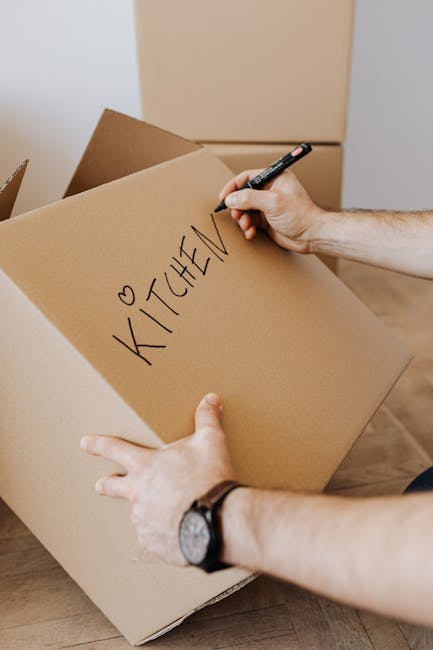
4. Use a simple labelling system
Labelling matters more than people think. Every box should show:
- the room it belongs in;
- a short list of contents;
- whether it is fragile;
- if it should be unpacked first.
An example: Kitchen - mugs, kettle lead, tea towels - fragile - open first. Short, clear, and not trying to win any creativity prizes.
Colour coding can help too, especially for larger households. One colour per room reduces the chance of boxes ending up in the wrong place when everyone is tired and the van is being unloaded in drizzle.
5. Pack one room at a time
This is where a lot of people go wrong. They start in the bedroom, drift into the kitchen, then back to the hallway, then into the airing cupboard. Suddenly every room is half-packed and none of them are done.
Finish one room before moving to the next. It keeps decisions easier and helps you stay honest about progress. If you need to pause, pause at the end of a room, not in the middle of a shelf.
6. Handle fragile items with extra care
Wrap glass, ceramics, mirrors, picture frames, and lamps separately. Fill gaps inside boxes so items do not shift during transit. Heavier fragile items should go at the bottom, lighter ones on top. A box that looks tidy on the outside can still be a disaster inside if things are rattling around.
For valuables or irreplaceable items, it is usually wiser to transport them yourself rather than send them in the general load. That includes important documents, jewellery, spare keys, and sentimental objects that would cause a headache if misplaced.
7. Prepare each bedroom methodically
Bedrooms take longer than they first appear because they include more categories than just clothes. Think of each room in layers:
- wardrobe contents;
- drawers;
- bedside tables;
- under-bed storage;
- books and decor;
- electricals and lamps;
- laundry and linen.
Keep one change of clothes per person aside until the final day. You will thank yourself when the "where are my socks?" chaos starts at 7 a.m.
8. Pack the kitchen last, but not too late
The kitchen usually takes the longest because of the mix of fragile, heavy, awkward, and everyday items. Leave the absolute essentials out until the final 24 hours: kettle, mugs, plates, cutlery, basic cleaning supplies, medication if stored there, and a small amount of food.
Pack in this rough order:
- rarely used appliances and serving dishes;
- special glasses and backup crockery;
- cupboard stock and pantry items;
- everyday dishes and utensils;
- the final day essentials.
If you have children, this is the room that can make or break the first night. A few familiar snacks and one easy meal save a lot of tears. Sometimes the adults too, to be fair.
9. Create a first-night box for each person or key area
This is one of the most useful parts of any packing plan. A first-night box should contain the items you need immediately after arrival. That may include toiletries, toilet paper, chargers, a towel, pyjamas, medication, snacks, a bottle of water, basic tools, and bedding.
For families, you may want one box per bedroom plus one shared essentials box for the kitchen and bathroom. If you are moving into a property that needs cleaning or minor checks before you fully settle, this box is a lifesaver.
10. Clear, clean, and confirm before moving day
As the boxes disappear, clean each room and do a final sweep for forgotten items. Check behind doors, inside cupboards, on top of wardrobes, under beds, and in the washing machine. You would be amazed how often one lonely shoe survives the whole process.
Confirm parking, access, keys, and timing with your removals provider. If your move is in a busy area, especially parts of London where access can be tight, make sure everything is ready for loading without delays. A well-packed house still needs a well-planned handover.
Expert Tips for Better Results
There are a few small habits that make a big difference.
- Use smaller boxes for books. Heavy boxes become unmanageable very quickly.
- Pack by weight, not just by room. Mix lighter items around denser ones where appropriate.
- Keep screws and fixings in labelled bags. Tape them to the furniture they belong to if you can.
- Photograph cable setups. Especially TVs, desks, and routers.
- Do not overfill boxes. A box that bulges is harder to stack and more likely to fail.
- Leave a clear walkway. It sounds basic, but moving boxes through clutter is where accidents happen.
One slightly old-school tip that still works: pack a marker and tape in your coat pocket on move day. You will be surprised how often you need to relabel something. Usually right after you thought you were finished.
If you want extra support, using a professional team that offers removal company services can be a sensible choice for a larger household, especially if you are trying to avoid the "too many boxes, too little time" spiral.
Common Mistakes to Avoid
These are the pitfalls that come up again and again in real house moves.
- Leaving everything until the final weekend. This is the number one cause of rushed packing and breakages.
- Packing mixed-room boxes with no label. It saves two minutes now and costs twenty later.
- Using huge boxes for heavy items. That is how boxes split and backs complain.
- Forgetting the essentials box. Then you spend the first evening searching for toothpaste.
- Not checking furniture dimensions. Large items may need partial dismantling before loading.
- Ignoring disposal. Old items and packaging can pile up fast if nobody sorts them out.
- Forgetting to separate valuables. Keep them with you, not in general packing.
A quieter mistake is trying to make every box perfect. They do not need to be museum exhibits. They just need to be safe, sensible, and easy to unpack. Good enough, in the proper sense, is absolutely good enough.
Tools, Resources and Recommendations
You do not need a truckload of specialist kit, but the right basics make packing far easier.
| Item | Why it helps | Best use |
|---|---|---|
| Small and medium boxes | Safer for books, kitchenware, and heavy items | Bedrooms, books, cupboards |
| Large boxes | Good for light bulky items | Linens, cushions, soft toys |
| Packing tape | Keeps boxes secure | Sealing every box properly |
| Marker pens and labels | Speeds up unpacking | Room names, contents, fragility notes |
| Bubble wrap or packing paper | Protects delicate items | Glass, ornaments, frames |
| Wardrobe boxes | Keeps clothes hanging | Suits, dresses, coats |
| Zip bags | Holds screws, bolts, and small parts | Dismantled furniture and electronics |
It can also be useful to compare a self-pack move with a more supported option. If the house is full, time is tight, or you are moving with children, a service such as man and van removals can help combine transport with hands-on support. For smaller local moves, removals services may be enough without paying for more than you need.
And if you are moving within the capital, local knowledge matters. Access issues, parking restrictions, and tight stairwells can make a move slower than expected. In those cases, a provider with coverage across London and surrounding areas can help you plan the logistics more accurately.
Law, Compliance, Standards, or Best Practice
For most home moves, there is no special legal packing law that tells you exactly how to box up a three bedroom house. Still, there are important best practices worth following, especially around safety, insurance, and access.
First, if you are hiring movers or a van service, check the company's insurance and safety arrangements before moving day. That gives you a better sense of what is covered if something is damaged in transit and what your own responsibilities are for packaging. It is wise to be clear about fragile items, high-value belongings, and any furniture that must be dismantled or carried carefully.
Second, keep hallways, stairs, and exits clear while packing. In UK homes, especially terraced properties and flats, cluttered access routes can become a trip hazard very quickly. Open boxes, loose tape, and stacked bags on landings are a bad combination. No one wants a move day injury because someone tried to "just leave that box there for a minute."
Third, if you are disposing of unwanted items, do it responsibly. Broken electricals, paints, batteries, and other household waste should be handled carefully and according to local guidance. Reuse and recycling are not just tidy habits; they reduce waste and make the move less messy.
Finally, if your move involves a commercial vehicle stopping outside your property, make sure parking and loading arrangements are sorted in advance where possible. That is less about legal drama and more about avoiding wasted time and awkward interruptions.
Options, Methods, or Comparison Table
There is no single right way to pack. The best method depends on time, budget, and how much help you want. Here is a straightforward comparison.
| Method | Best for | Pros | Trade-offs |
|---|---|---|---|
| Self-pack everything | Budget-conscious moves with plenty of time | Lower cost, full control | More time, more effort, higher risk of disorganisation |
| Hybrid pack | Busy households that want a balance | Good compromise, less stress | Requires clear handover of what you pack and what movers handle |
| Full packing service | Large homes, tight timelines, or higher-value contents | Fast, efficient, less physical work | Higher cost |
| Room-by-room weekend pack | Families with a set moving date and limited weekday time | Structured and realistic | Needs discipline to avoid falling behind |
For many three bedroom households, the hybrid approach is the sweet spot. You pack non-fragile, low-use items yourself and leave awkward or time-sensitive packing to professionals. If you are comparing options, removal companies can be a useful place to start when you want a broader service than just a vehicle.
Case Study or Real-World Example
Here is a realistic example from a typical family move, without dressing it up too much.
A couple with two children moved from a three bedroom terrace in south west London. They had one double bedroom, two children's rooms, a box room used as a home office, a standard kitchen, and a small loft full of the sort of things people swear they will sort "next month." They had booked a move for Friday afternoon, so they started packing ten days before the date.
First, they cleared the office and loft. That gave them space to stage boxes. Then they packed the children's spare toys, books, and outgrown clothes. By midweek, one bedroom was finished and the hallway stayed free. On the Thursday night, they packed the kitchen essentials box, toiletries, chargers, pyjamas, school bags, and snacks.
What worked best was the labelling system. Every box had the room name, a short contents note, and whether it needed to be opened first. The children's rooms were colour coded, which meant unpacking at the new house took far less time than expected. What nearly derailed the move? The kitchen. As usual, it took longer than the rest of the house combined. But because it was left until the end on purpose, it did not become a panic job.
The family said the move felt busy but not chaotic. That is really the goal. Not silence. Not perfection. Just no drama that you can't live with.
Practical Checklist
Use this checklist as your final pre-move guide.
- Walk through every room and list what needs packing.
- Sort items into keep, donate, recycle, and dispose.
- Buy or collect enough boxes, tape, labels, and protective materials.
- Pack the least-used rooms first.
- Finish one room before starting another.
- Label each box with room, contents, and fragility.
- Keep documents, jewellery, medication, and keys with you.
- Prepare a first-night box for each person or area.
- Pack kitchen essentials last.
- Photograph electronics and cable setups before disconnecting them.
- Bag screws, bolts, and fittings with furniture labels.
- Clear walkways, stairs, and exits.
- Confirm parking, access, and move timing.
- Do a final sweep of cupboards, loft, shed, and under beds.
- Check the property one last time before handing over the keys.
Practical summary: If you remember only three things, make them these: start early, pack room by room, and keep the essentials separate. That alone will save you a surprising amount of stress.
Conclusion
A three bedroom house move can feel big, because it is big. But with a clear packing plan, it becomes a sequence of small jobs rather than one overwhelming event. Start with low-use rooms, keep your labelling consistent, protect fragile items properly, and leave yourself a first-night box so the new place feels livable straight away.
The best moves are rarely the ones that look glamorous. They are the ones that run quietly, with a bit of planning and a lot less scrambling. If you stay steady, the boxes will get packed, the van will get loaded, and the whole thing will begin to make sense.
Get a free quote today and see how much you can save.
Frequently Asked Questions
How long does it take to pack a three bedroom house?
It depends on how much you own, how organised the rooms are, and whether you are packing around work or family routines. Many households need several days to two weeks of steady packing rather than one intense weekend. If you have a loft, garage, or a lot of kitchenware, allow extra time.
What should I pack first when moving house?
Start with items you do not use every day: spare bedding, books, ornaments, seasonal clothes, and storage areas. The idea is to remove the low-priority items first so the daily-use rooms stay functional for as long as possible.
What should go in the essentials box?
A first-night essentials box should usually include toiletries, toilet paper, chargers, medication, a towel, pyjamas, basic snacks, water, a kettle or mugs if space allows, and a few tools. If you have children, add comfort items and anything needed for bedtime.
How many boxes do I need for a three bedroom move?
There is no fixed number because homes vary so much. The number depends on how much storage, books, kitchenware, and clothing you have. It is better to judge by room volume and use a mix of box sizes rather than relying on a single estimate.
Should I pack room by room or category by category?
For most home moves, room by room is easier and less confusing. It makes labelling simpler and speeds up unloading. Category packing can work for things like documents or tools, but room-based packing usually suits a full house move better.
Is it worth paying for packing and unpacking services?
It can be worth it if you are short on time, have a lot of fragile items, or want to reduce the stress of moving day. A hybrid approach is often a good compromise: pack easy items yourself and leave the tricky parts to professionals.
How do I pack fragile items safely?
Wrap each item individually, use smaller boxes, fill gaps so things do not move around, and keep heavy fragile items at the bottom. Mark the box clearly as fragile. If the item is valuable or irreplaceable, carry it yourself if you can.
What is the best way to label moving boxes?
Use the room name, a short contents note, and a fragile or priority label if needed. Colour coding can help in larger homes. Keep the wording simple so anyone unloading the boxes can understand them quickly.
Do I need to dismantle furniture before moving?
Some furniture should be dismantled, especially large beds, wardrobes, and bulky items that will be hard to carry through doors or stairwells. Keep all screws and fittings in labelled bags and take photos before taking things apart.
How can I save money on a house move without making it harder?
Declutter before packing, use the right box sizes, pack non-fragile items yourself, and avoid paying for transport you do not need. A well-organised move is usually cheaper than a chaotic one because it reduces delays and wasted effort.
What common mistake causes the most stress on moving day?
Leaving packing too late is probably the biggest one. Once the final 24 hours are crammed with unfinished boxes, essentials go missing, stress rises fast, and the move stops feeling manageable. Starting early is the easiest win.
Can I use the same packing plan for a local London move and a longer UK move?
Yes, the overall structure is the same. The difference is that local London moves may need more attention to access, parking, and timing, while longer moves may need a little more planning around transport and overnight essentials. The room-by-room method still works well either way.